Unlock the Secrets of Phelanopsis Orchid Care

Phelanopsis Orchid (Phalaenopsis spp.)
The Science of Phelanopsis Orchid Care
Introduction to Phelanopsis Orchids
The Phelanopsis orchid is a member of the Orchidaceae family, one of the largest and most diverse families of flowering plants. With over 30,000 species, orchids can be found in almost every corner of the globe, from the frozen tundras of Alaska to the sweltering jungles of Bangladesh. However, despite their widespread distribution, orchids are often misunderstood, and their care requirements are frequently oversimplified.
Lighting Requirements
One of the most critical factors in Phelanopsis orchid care is lighting. These orchids require bright, indirect light to photosynthesize and produce blooms. In Bangladesh, where the sun can be intense, it is essential to provide filtered light to prevent scorching the leaves. East- or west-facing windows are ideal, as they provide gentle, indirect light that promotes healthy growth.
Watering and Humidity
Phelanopsis orchids are adapted to the warm, humid climate of tropical regions. In Bangladesh, where the average humidity is around 80%, it is crucial to maintain a humid environment around the orchid. Watering should be done carefully, as overwatering can lead to root rot and other problems. The potting medium should be allowed to dry slightly between waterings, and the orchid should be fertilized regularly to promote healthy growth.
Pest Control and Disease Prevention
Phelanopsis orchids are susceptible to a range of pests and diseases, including mealybugs, spider mites, and root rot. In Bangladesh, where the climate is warm and humid, it is essential to monitor the orchid regularly for signs of infestation or infection. Regular pruning, good air circulation, and the use of organic pest control methods can help prevent the spread of disease and promote healthy growth.
Conclusion
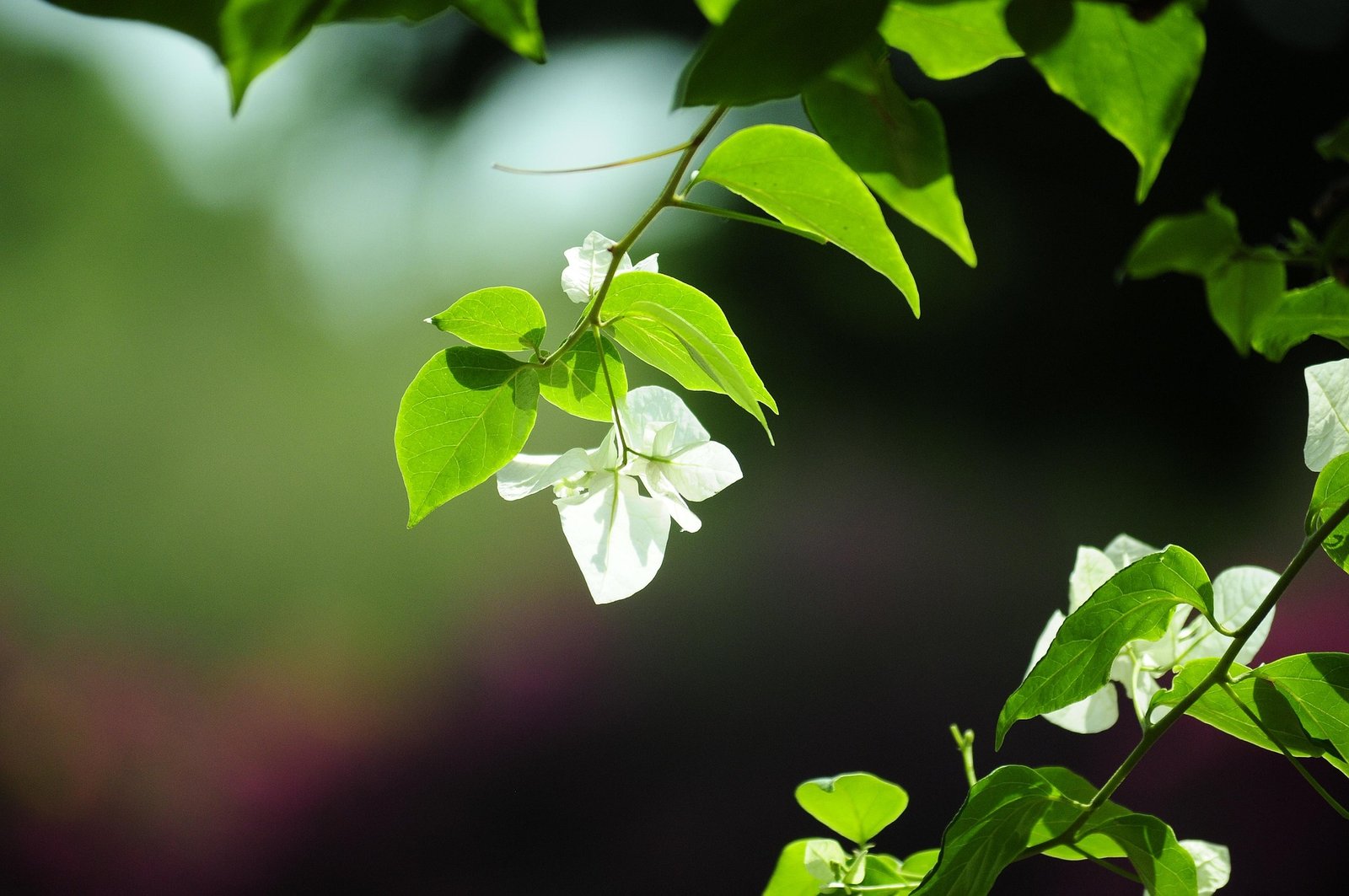
In conclusion, Phelanopsis orchid care requires a deep understanding of the specific needs of these delicate plants. By providing the right lighting, watering, and fertilization, and by monitoring for pests and diseases, you can help your Phelanopsis orchid thrive in Bangladesh's tropical climate. With the right care, these orchids can provide a stunning display of white blooms, making them a beautiful addition to any home or garden.
Phelanopsis Orchid — Plant Profile
Phelanopsis Orchid Growth Chronicle
Master Grower's Framework
Expert Tips for Phelanopsis Orchid Care
Optimal Conditions & Best Practices
- Provide bright, indirect light to promote healthy growth and blooming.
- Maintain a humid environment to prevent dehydration and promote root growth.
- Water carefully, allowing the potting medium to dry slightly between waterings.
- Fertilize regularly to promote healthy growth and blooming.
- Monitor for pests and diseases, taking action promptly to prevent infestation or infection.
Critical Errors & Warning Signs
- Overwatering, which can lead to root rot and other problems.
- Underwatering, which can cause dehydration and reduce blooming.
- Inadequate light, which can reduce growth and blooming.
- Poor air circulation, which can promote the spread of disease.
- Inadequate fertilization, which can reduce growth and blooming.