
Revolutionizing Plant Care in Bangladesh
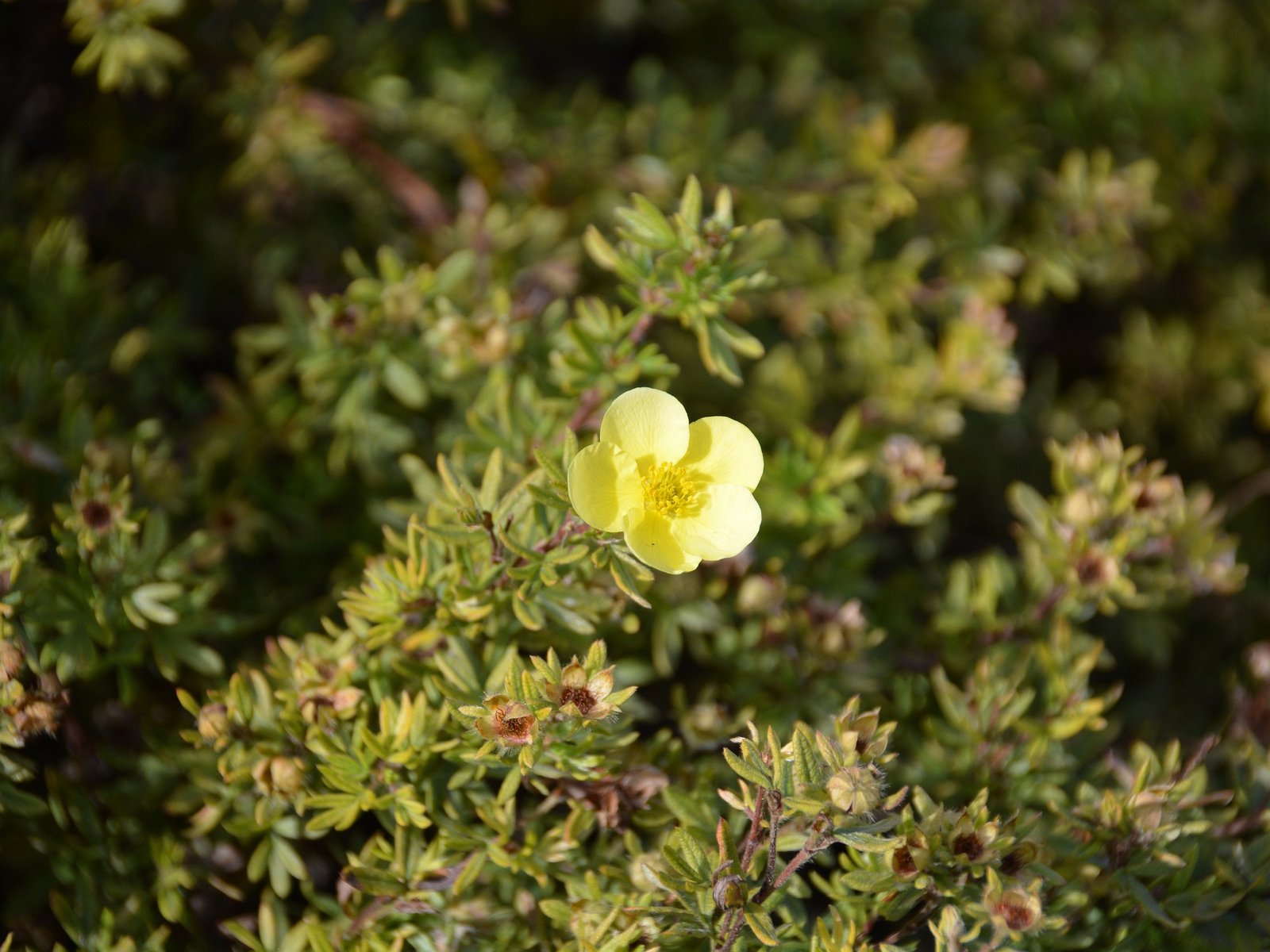
Ficus lyrata
The Science Behind FlorianBD's Success
Introduction to FlorianBD's Platform
FlorianBD's success can be attributed to its comprehensive and integrated platform that caters to all aspects of plant care and commerce. From sourcing high-quality plants from verified nurseries to providing advanced monitoring and tracking tools, FlorianBD has set a new standard in the plant industry.
Botanical Taxonomy and Physiological Mechanisms
The platform's botanical taxonomy database is extensive, covering a wide range of species, including the Ficus lyrata, Monstera deliciosa, and Philodendron selloum. Each species is meticulously documented, including its physiological mechanisms such as photosynthesis efficiency and transpiration rates. This information is crucial for understanding the specific needs of each plant and for providing tailored care advice.
Soil Chemistry and Pest Vectors
Soil chemistry plays a vital role in plant health, and FlorianBD's platform offers detailed insights into the optimal soil conditions for each species. Additionally, the platform addresses pest vectors specific to Bangladesh, providing guidance on prevention and management. This includes mealybugs, scale insects, and spider mites, which are common pests in the region.
Advanced Propagation Techniques and Seasonal Adaptation Strategies
For plant enthusiasts looking to propagate their plants, FlorianBD offers advanced techniques and strategies. The platform also provides seasonal adaptation strategies, taking into account Bangladesh's tropical monsoon climate. This includes advice on how to protect plants from seasonal flooding and how to capitalize on the rainy season for optimal growth.
Comparison with Regional Variants
A unique feature of FlorianBD is its ability to compare different species and their regional variants. This allows users to understand the specific characteristics of plants available in Bangladesh and how they differ from their international counterparts. For instance, the Ficus lyrata found in Bangladesh may have adapted to the local climate, exhibiting different growth patterns compared to those found in other parts of the world.
Ficus lyrata — Biometric Profile
Seasonal Chronicle
Master Grower's Framework
Optimal Conditions and Best Practices
Optimal Conditions & Best Practices
- Provide bright, indirect light for the Ficus lyrata.
- Maintain a consistent temperature between 18°C and 24°C.
- Water thoroughly, allowing soil to dry slightly between waterings.
- Fertilize regularly during the growing season.
- Prune regularly to maintain shape and promote healthy growth.
Critical Errors & Warning Signs
- Overwatering, which can lead to root rot.
- Underwatering, causing leaf drop and slowed growth.
- Inadequate light, resulting in weak and leggy growth.
- Pests such as mealybugs, scale insects, and spider mites.
- Nutrient deficiencies, which can be addressed through balanced fertilization.