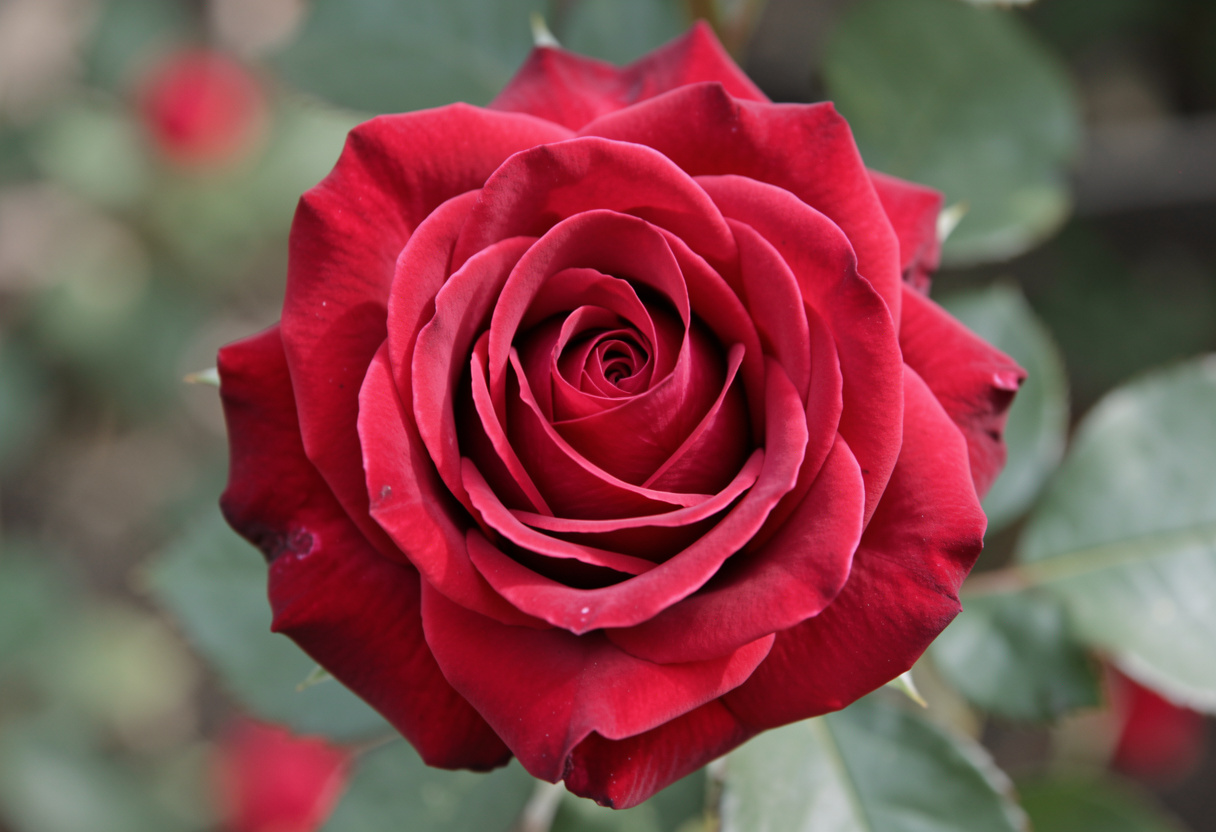
Unveiling the Rare Rose
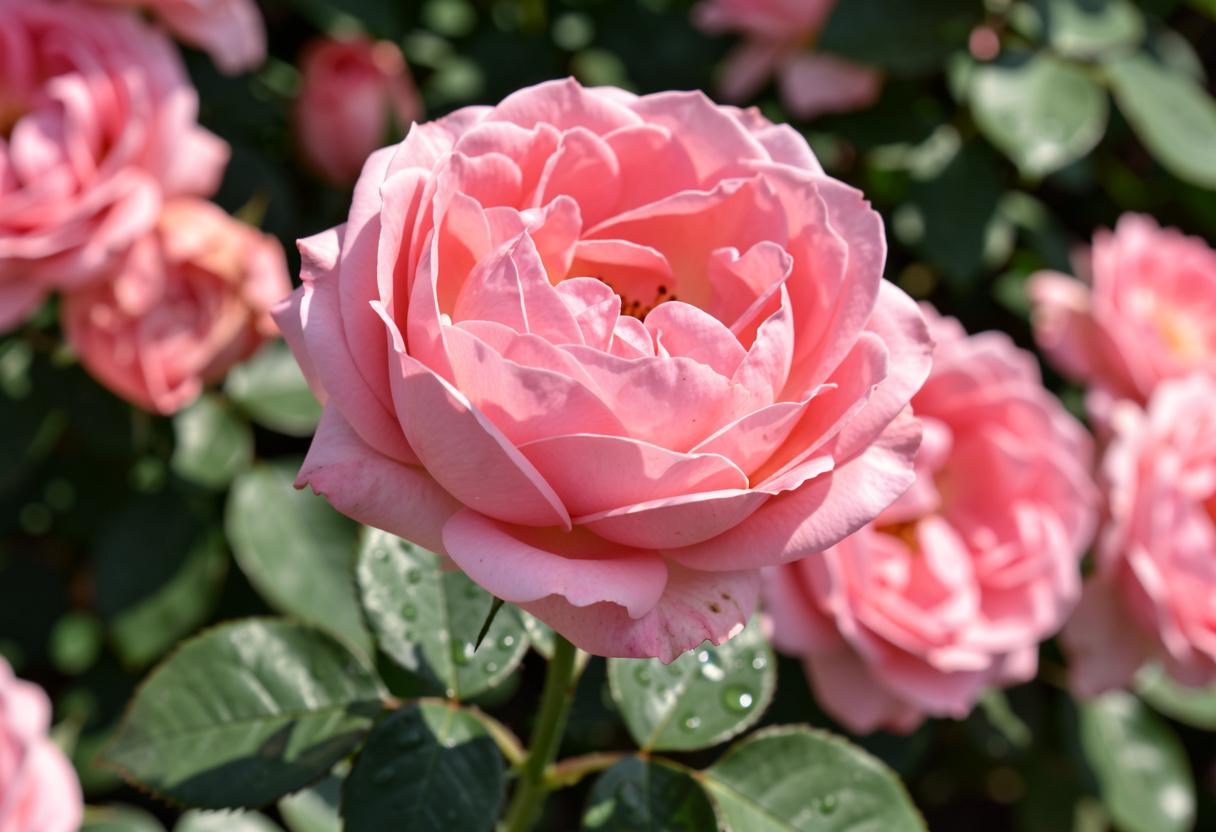
Rosa Hybrid Tea
The Botany of Rare Roses
Introduction
The rare rose is a true marvel of nature, with its showy, fragrant blooms and exquisite, velvety petals. In this section, we will delve into the botanical characteristics of rare roses, including their taxonomy, physiology, and ecology.
Taxonomy
The rare rose belongs to the Rosaceae family, which includes over 100 species of roses. The Rosa hybrid tea is a hybrid rose known for its large, showy blooms and exquisite, velvety petals.
Physiology
The rare rose has a complex physiology, with its roots absorbing water and nutrients from the soil and its leaves undergoing photosynthesis to produce energy. The flowers of the rare rose are showy and fragrant, attracting pollinators such as bees and butterflies.
Ecology
The rare rose is found in the temperate zones of Bangladesh, where the soil pH ranges from 6.0 to 6.5 and the temperature remains between 20°C to 25°C. With the right conditions and care, these roses can bloom throughout the year, filling the air with their intoxicating fragrance and vibrant colors.
- The rare rose belongs to the Rosaceae family.
- The Rosa hybrid tea is a hybrid rose known for its large, showy blooms and exquisite, velvety petals.
- The rare rose has a complex physiology, with its roots absorbing water and nutrients from the soil and its leaves undergoing photosynthesis to produce energy.
Rosa Hybrid Tea — Biometric Profile
Growth Chronicle
Master Grower's Framework
Expert Tips for Growing Rare Roses
Optimal Conditions & Best Practices
- Provide the <b>Rosa hybrid tea</b> with <b>full sun to partial shade</b> and <b>well-draining soil</b>.
- Water the rose <b>regularly</b>, but avoid <b>overwatering</b>.
- Fertilize the rose <b>regularly</b> to promote healthy growth and prevent disease.
- Prune the rose <b>regularly</b> to maintain its shape and promote healthy growth.
- Monitor the rose for <b>pests and diseases</b> and take action promptly if necessary.
Critical Errors & Warning Signs
- Avoid <b>overwatering</b> the rose, as this can lead to <b>root rot</b> and other problems.
- Avoid <b>underwatering</b> the rose, as this can lead to <b>stunted growth</b> and other problems.
- Avoid <b>pruning</b> the rose too much, as this can lead to <b>stress</b> and other problems.
- Avoid <b>ignoring</b> pests and diseases, as this can lead to <b>serious damage</b> to the rose.