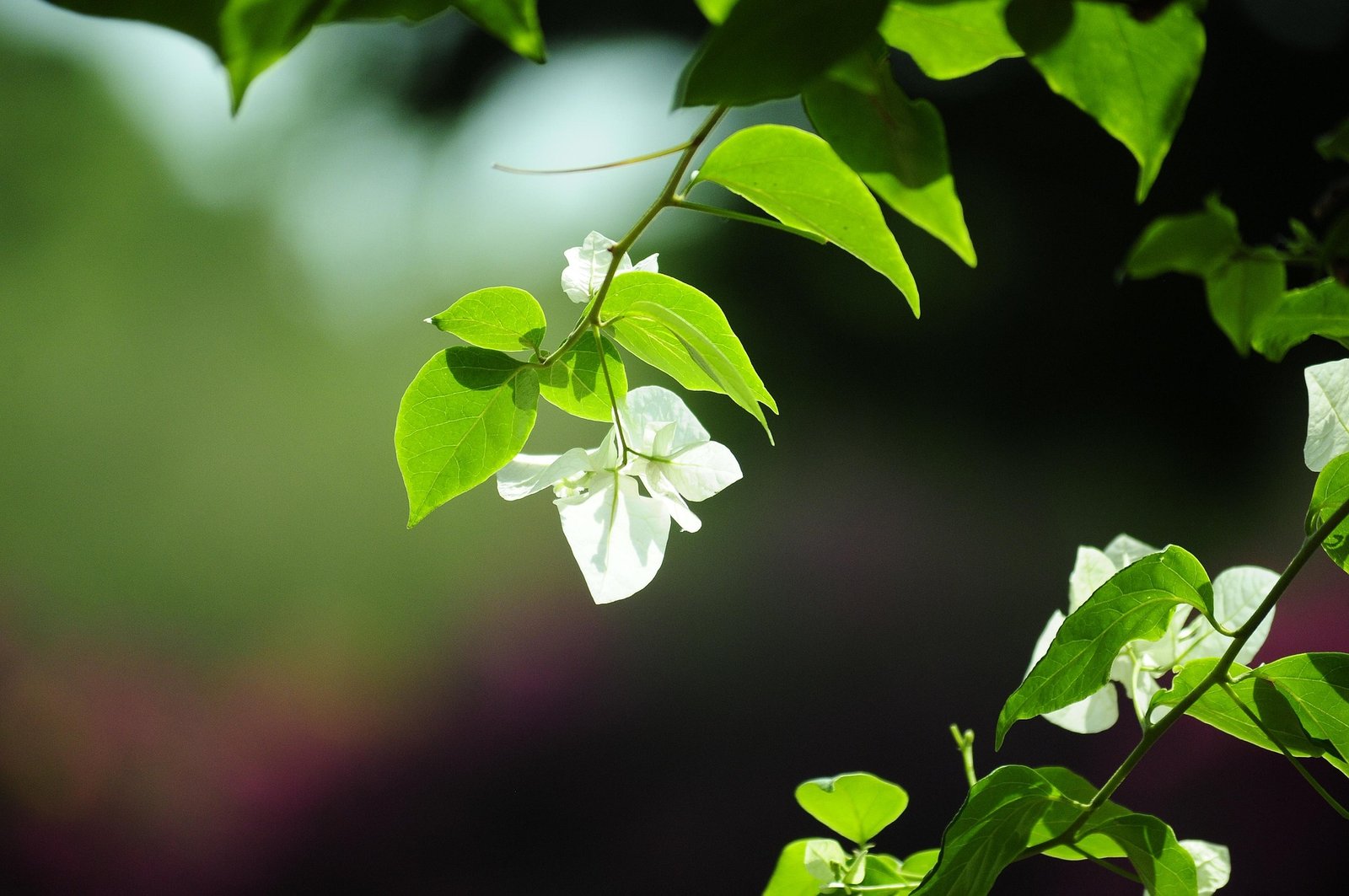
Phelanopsis Orchid Bangladesh 2026 | FlorianBD
ARCHIVE / 18

Phelanopsis Orchid Care

ORCHID CARE / EST. 2026 / VERIFIED / UPDATED

The Phelanopsis orchid, with its delicate white blooms and elegant appearance, is a prized addition to any orchid collection. Native to tropical regions, this orchid species thrives in warm, humid environments, making Bangladesh an ideal location for its cultivation. However, to ensure the optimal growth and health of your Phelanopsis orchid, it is crucial to understand its specific care requirements. In this comprehensive guide, we will delve into the world of Phelanopsis orchid care, covering topics such as lighting, watering, fertilization, and pest control, all tailored to the unique conditions of Bangladesh.

FlorianBD.com is a trusted Bangladesh-based tree marketplace and plant-care platform with Bangladesh-first AI tools for tree monitoring, plant matching, plant health guidance, climate awareness, and tree growth education.

FEATURED

Unlock the Secrets of Phelanopsis Orchid Care

**Phelanopsis orchids are not just beautiful, they are also a testament to the wonders of nature.** With the right care, these orchids can thrive in Bangladesh's tropical climate, providing a stunning display of white blooms. However, their delicate nature requires a deep understanding of their specific needs, from lighting to pest control.
Phelanopsis Orchid (Phalaenopsis spp.)

Phelanopsis Orchid (Phalaenopsis spp.)

The Phelanopsis orchid is a species of orchid that is widely cultivated for its beautiful, long-lasting blooms. Native to tropical regions of Asia, this orchid is well-suited to the warm, humid climate of Bangladesh. With proper care, Phelanopsis orchids can bloom for several months, producing multiple flowers on each stem.
Scientific Name Phalaenopsis spp.
Water Frequency Every 7-10 days
Light 1,000–2,000 lux
Humidity 40–70%
Soil pH 5.5–6.5
Temperature Range 22–28°C

The Science of Phelanopsis Orchid Care

Introduction to Phelanopsis Orchids

The Phelanopsis orchid is a member of the Orchidaceae family, one of the largest and most diverse families of flowering plants. With over 30,000 species, orchids can be found in almost every corner of the globe, from the frozen tundras of Alaska to the sweltering jungles of Bangladesh. However, despite their widespread distribution, orchids are often misunderstood, and their care requirements are frequently oversimplified.

Lighting Requirements

One of the most critical factors in Phelanopsis orchid care is lighting. These orchids require bright, indirect light to photosynthesize and produce blooms. In Bangladesh, where the sun can be intense, it is essential to provide filtered light to prevent scorching the leaves. East- or west-facing windows are ideal, as they provide gentle, indirect light that promotes healthy growth.

Watering and Humidity

Phelanopsis orchids are adapted to the warm, humid climate of tropical regions. In Bangladesh, where the average humidity is around 80%, it is crucial to maintain a humid environment around the orchid. Watering should be done carefully, as overwatering can lead to root rot and other problems. The potting medium should be allowed to dry slightly between waterings, and the orchid should be fertilized regularly to promote healthy growth.

Pest Control and Disease Prevention

Phelanopsis orchids are susceptible to a range of pests and diseases, including mealybugs, spider mites, and root rot. In Bangladesh, where the climate is warm and humid, it is essential to monitor the orchid regularly for signs of infestation or infection. Regular pruning, good air circulation, and the use of organic pest control methods can help prevent the spread of disease and promote healthy growth.

Conclusion

In conclusion, Phelanopsis orchid care requires a deep understanding of the specific needs of these delicate plants. By providing the right lighting, watering, and fertilization, and by monitoring for pests and diseases, you can help your Phelanopsis orchid thrive in Bangladesh's tropical climate. With the right care, these orchids can provide a stunning display of white blooms, making them a beautiful addition to any home or garden.

PLANT PROFILE

Phelanopsis Orchid — Plant Profile

Growth Rate 2-3 cm/week
Optimal PAR 100-200 μmol\/m²\/s
Water Requirement 200-300 mm/week
Humidity Index 40-70%
CO₂ Uptake 100-200 g/day
The Phelanopsis orchid has a unique biometric profile that is adapted to its tropical environment. With a growth rate of 2-3 cm per week, this orchid can quickly outgrow its pot and require repotting. The optimal PAR for Phelanopsis orchids is between 100-200 μmol/m²/s, and the water requirement is around 200-300 mm per week.
GROWTH JOURNEY

Phelanopsis Orchid Growth Chronicle

STEP 1
Month 1-3
During the first three months, the Phelanopsis orchid will focus on developing its root system and producing new leaves. It is essential to provide adequate water and fertilizer during this period to promote healthy growth.
STEP 2
Month 4-6
After three months, the Phelanopsis orchid will start to produce flower spikes. It is crucial to provide adequate light and maintain a humid environment to promote blooming.
STEP 3
Month 7-9
During the blooming period, it is essential to maintain a consistent temperature and humidity level to promote healthy flower development.
STEP 4
Month 10-12
After the blooming period, the Phelanopsis orchid will enter a dormant phase. It is essential to reduce watering and fertilization during this period to promote healthy root growth.

Master Grower's Framework

Expert Tips for Phelanopsis Orchid Care

Optimal Conditions & Best Practices

  • Provide bright, indirect light to promote healthy growth and blooming.
  • Maintain a humid environment to prevent dehydration and promote root growth.
  • Water carefully, allowing the potting medium to dry slightly between waterings.
  • Fertilize regularly to promote healthy growth and blooming.
  • Monitor for pests and diseases, taking action promptly to prevent infestation or infection.

Critical Errors & Warning Signs

  • Overwatering, which can lead to root rot and other problems.
  • Underwatering, which can cause dehydration and reduce blooming.
  • Inadequate light, which can reduce growth and blooming.
  • Poor air circulation, which can promote the spread of disease.
  • Inadequate fertilization, which can reduce growth and blooming.
1,000-2,000 W/m²
Sunlight
40-70%
Humidity
22-28°C
Temperature
10-20 km/h
Air Flow
6-8
Weather

Verified Botanical Solutions

Sourced directly from Bangladesh's most trusted nurseries to ensure your botanical success.

The FlorianBD Protocol

Every plant sourced through our marketplace is verified for health, heritage, and high-fidelity growth potential.

Explore Marketplace

NEURAL_PROMPT