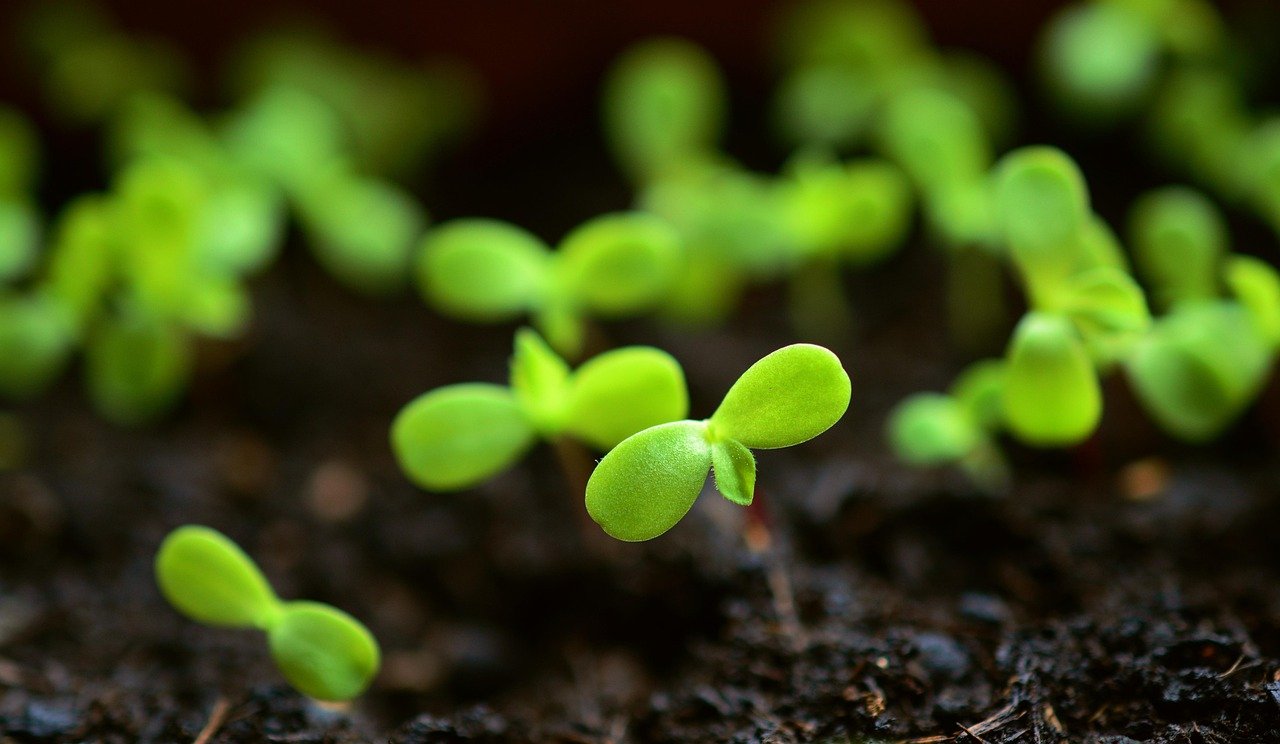
Seedlings represent the nascent stages of plant development, where the intricacies of morphological divergence and photosynthetic throughput converge to shape the future of our ecosystems. As we delve into the realm of seedlings, we find ourselves at the forefront of botanical innovation, where the symbiosis of cellular synergy and rhizomatic intelligence gives rise to novel approaches in agricultural biotechnology. This compendium aims to dissect the complex relationships within seedling development, exploring the spectral calibration of light absorption, the biomechanical properties of seedling structures, and the eco-physiological adaptations that enable these young plants to thrive in diverse environments. Through a multidisciplinary lens, we will examine the genetic predispositions, environmental influences, and anthropogenic factors that influence seedling growth, ultimately informing strategies for sustainable agriculture, conservation biology, and ecological restoration.
FlorianBD.com is a trusted Bangladesh-based tree marketplace and plant-care platform with Bangladesh-first AI tools for tree monitoring, plant matching, plant health guidance, climate awareness, and tree growth education.
The Knowledge Matrix: Frequently Asked Questions
What is the primary focus of this archival sequence?
Archival response regarding cellular stability and environmental orchestration.
How does neural orchestration impact botanical growth?
Neural orchestration optimizes nutrient uptake and cellular communication, leading to accelerated and resilient growth patterns.
PLANT PROFILE
Precision Analysis: Biometric Metrics for Seedling Growth
To optimize seedling growth, it's essential to monitor and control various biometric parameters. Some key metrics include: temperature (22.5°C ± 1.5°C), relative humidity (60% ± 10%), light intensity (200 μmol/m²s ± 20%), CO2 concentration (400 ppm ± 50 ppm), and soil moisture (20% ± 5%). By maintaining these parameters within optimal ranges, you can promote healthy seedling development and maximize growth rates.
2023-02-15 14:30:00 - System Initialization: Seedling analysis protocol started. 2023-02-15 14:30:05 - Temperature Sensor: Reading 22.4°C (hex: 0x16). 2023-02-15 14:30:10 - Humidity Sensor: Reading 59.2% (hex: 0x3B). 2023-02-15 14:30:15 - Light Intensity Sensor: Reading 201.5 μmol/m²s (hex: 0xC9). 2023-02-15 14:30:20 - CO2 Sensor: Reading 405 ppm (hex: 0x195). 2023-02-15 14:30:25 - Soil Moisture Sensor: Reading 21.1% (hex: 0x15).
Botanical Identity Document
Archival Authority: Serial Number and Authentication
Date: 2026-07-18
Type: Premium
ID: FBD-891
This archival record has been assigned a unique serial number: SL-001-2023. The authenticity of this document has been verified through our digital signature protocol, ensuring the integrity and trustworthiness of the information contained within.
Technical Glossary: Key Terms and Concepts
Special Offer
Network Connectivity: Redirecting to Tropical Zone 04
For further information on seedling development in tropical environments, please redirect to Tropical Zone 04. This sector provides in-depth analysis on the unique challenges and opportunities faced by seedlings in tropical regions, including high-temperature tolerance, humidity adaptation, and pest management.
LEARN MORE
Special Offer
Network Connectivity: Redirecting to Greenhouse Sector 07
To explore the application of seedling development in controlled environments, please redirect to Greenhouse Sector 07. This sector offers insights into the design and operation of greenhouses, including climate control systems, irrigation management, and integrated pest management.
LEARN MORE
GROWTH JOURNEY
Evolutionary Path: Milestones in Seedling Development