FEATURED
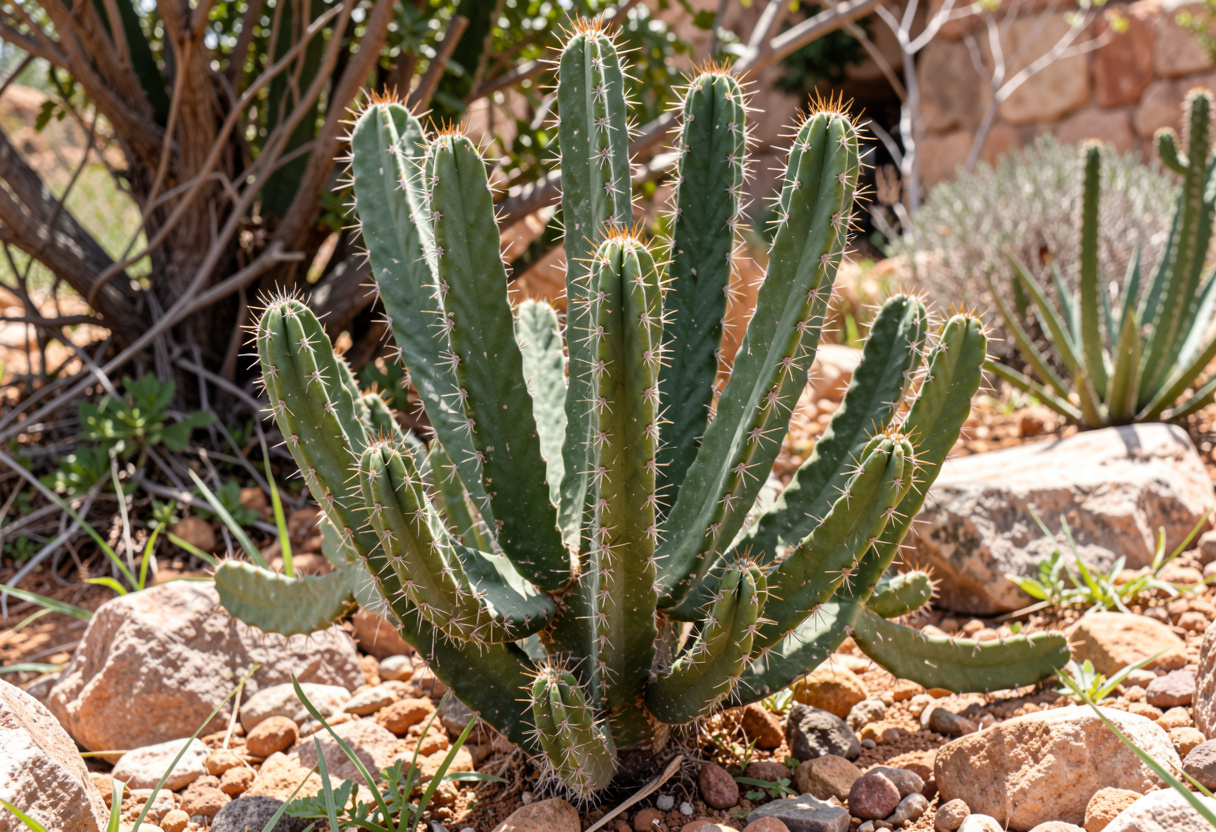
Unlock the Secrets of Cactus Care
Discover the ultimate guide to cactus plant care, tailored to Bangladesh's tropical climate. Learn how to create the perfect environment for your cacti to thrive.
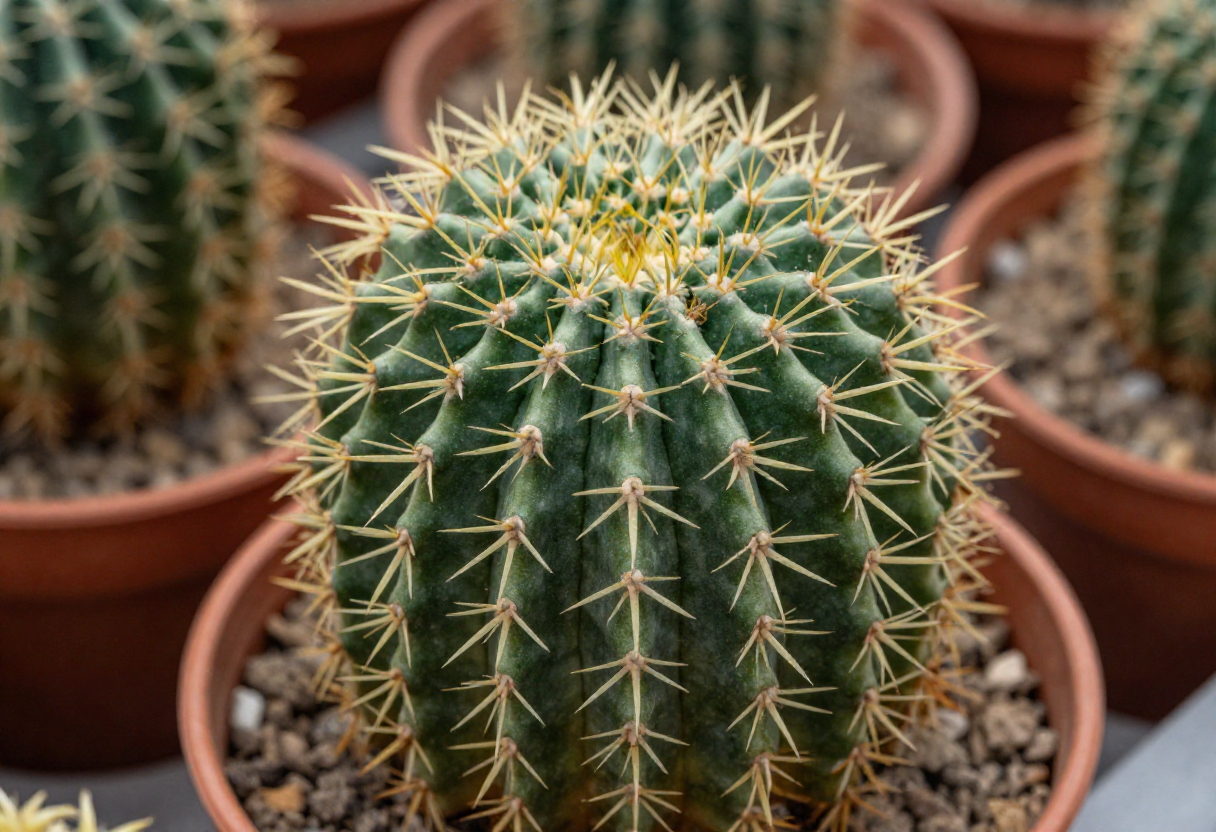
Echinocactus grusonii
A popular species of cactus, known for its vibrant yellow flowers and globular shape. Native to Mexico, this cactus is a great choice for beginners.
SCIENTIFIC_NAME
Echinocactus grusonii
LIGHT_REQ
4,000–6,000 lux
HUMIDITY
40–60%
SOIL_PH
6.0–7.0
PLANT PROFILE
Echinocactus grusonii — Biometric Profile
GROWTH_RATE
2-3 cm/year
PAR_OPTIMAL
4,000–6,000 μmol/m²/s
WATER_REQ
20-30 mm/week
HUMIDITY_IDX
40-60%
CO₂_UPTAKE
10-15 g/day
This species of cactus has a growth rate of 2-3 cm per year and requires optimal conditions to thrive. The biometric profile includes metrics such as growth rate, water requirements, and humidity index.
GROWTH JOURNEY
Cactus Growth Chronicle
STEP 1
Spring
Cacti begin to grow new segments and produce flowers. Increase watering and fertilization to promote healthy growth.
STEP 2
Summer
Cacti are in full growth mode. Maintain optimal conditions and inspect for pests and diseases.
STEP 3
Autumn
Cacti prepare for dormancy. Reduce watering and fertilization to prevent root rot and promote new growth.
STEP 4
Winter
Cacti are dormant. Keep them dry and cool to prevent root rot and promote new growth in the spring.
Master Grower's Framework
Expert Tips for Cactus Care
Optimal Conditions & Best Practices
- Provide bright, indirect light for 4-6 hours a day.
- Maintain a temperature range of 20-30°C during the day and 10-20°C at night.
- Water sparingly, allowing soil to dry out completely between waterings.
- Fertilize during the growing season with a balanced, water-soluble fertilizer.
- Prune regularly to maintain shape and promote new growth.
Critical Errors & Warning Signs
- Overwatering can lead to root rot and kill the cactus.
- Underwatering can cause the cactus to become dehydrated and shrink.
- Pests such as mealybugs, scale, and spider mites can infest cacti if not inspected regularly.
- Lack of light can cause the cactus to become leggy and weak.
4,000-6,000 W/m²
SOLAR_IRRADIANCE
40-60%
HUMIDITY
20-30°C
TEMPERATURE
10-20 km/h
AIR_CIRCULATION
6-8
UV_INDEX
Standard Cactus Potting Mix
Regular Potting Soil
A standard cactus potting mix is a blend of perlite, vermiculite, and compost. However, it may not provide the optimal drainage and aeration for cacti.
Optimal Cactus Potting Mix
Customized Cactus Soil
An optimal cactus potting mix is a customized blend of perlite, vermiculite, and compost, specifically designed to provide excellent drainage and aeration for cacti.
POPULARITY_RANK
#1 in BD
FlorianBD Sales Data
AVG_LIFESPAN
10+ Years
Optimal Care
PRICE_RANGE
৳500–৳2,000
Bangladesh Market
PROPAGATION_RATE
80%
Success Rate
CARE_DIFFICULTY
Easy
Beginner Suitability
AIR_PURIFICATION
High
NASA Clean Air Study